What Kenyans Call "Spinach" Is Actually Swiss Chard: Nutrition Facts
Most Kenyans unknowingly buy Swiss chard when they ask for spinach. Learn the nutritional differences between these two leafy greens and why it matters for fitness tracking.
Just like we previously explained in our Nduma vs Arrowroot article, where most Kenyans use arrowroot to mean taro, there's another mislabeled vegetable in our markets: spinach.
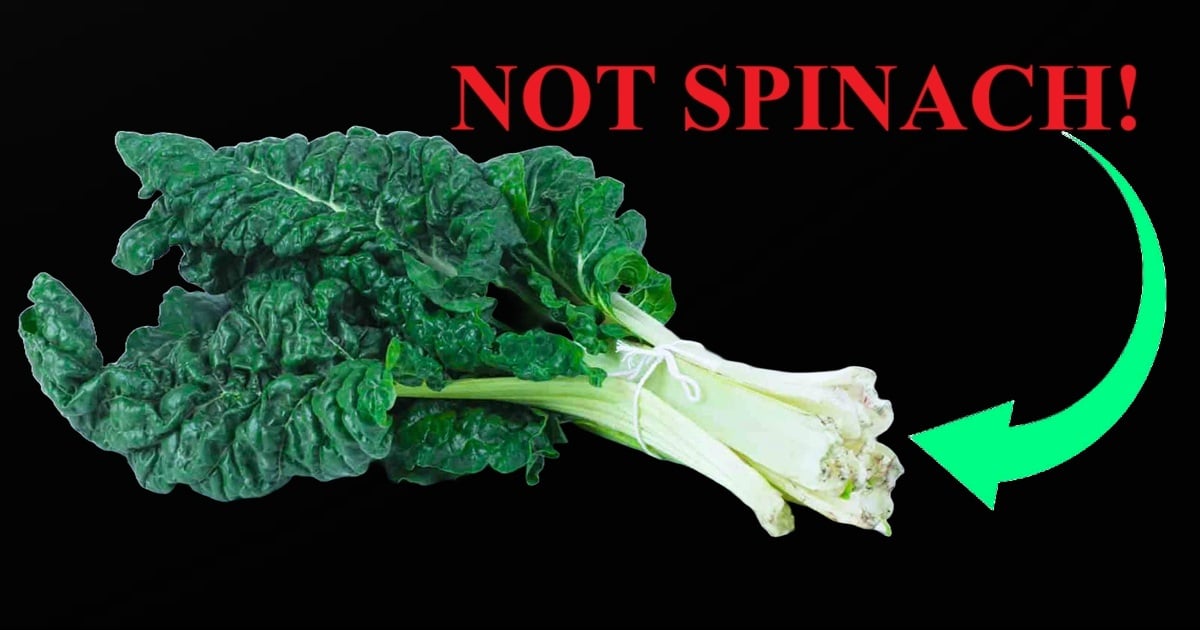
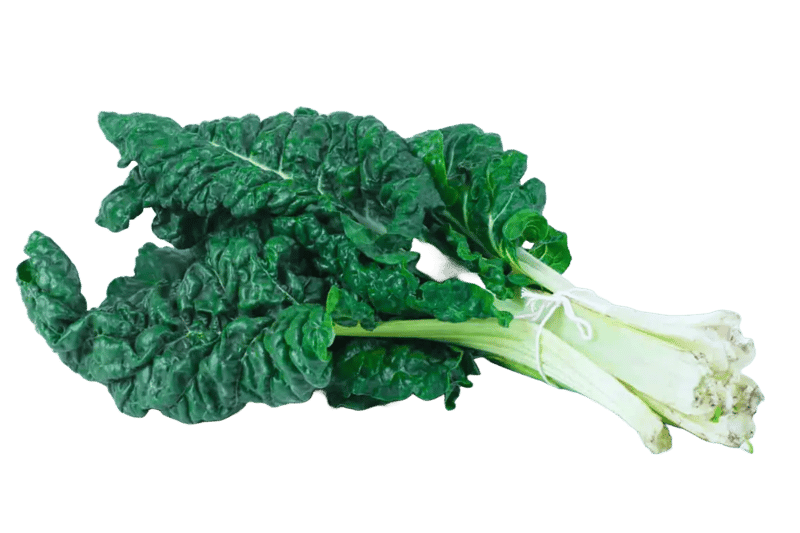
In Kenya, what most people buy as "spinach" (pictured below) is actually Swiss chard (Beta vulgaris var. cicla).
Swiss chard bunch, the vegetable Kenyans often call spinach.
Swiss chard is part of the Beta family, which includes beetroot and sugar beet.
In fact, Swiss chard is technically a beet that has been cultivated to produce larger leaves rather than large bulbous roots.
In some regions, Swiss chard can have red stems, but locally they usually have white stems, as shown in the previous picture.
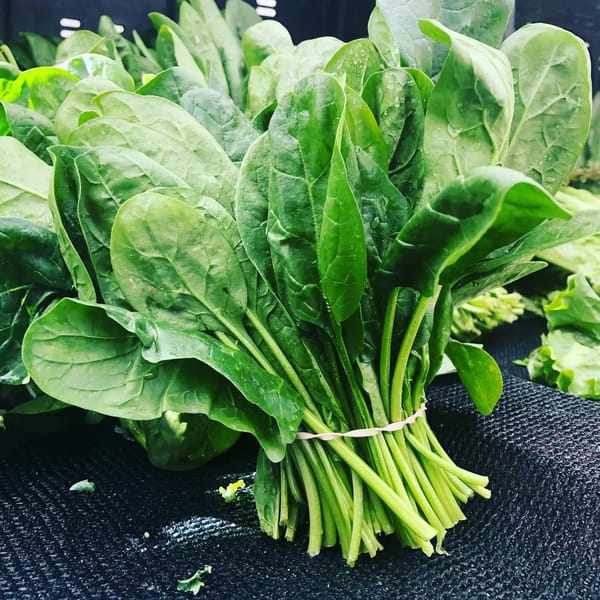
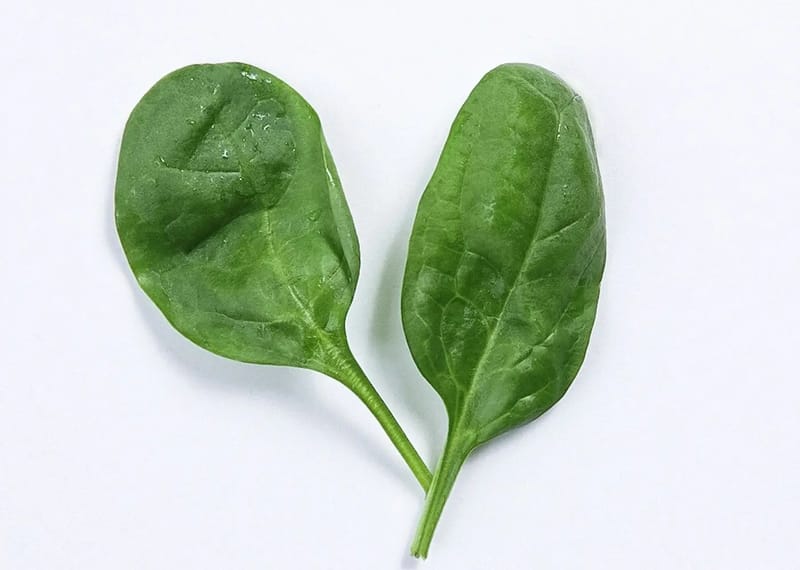
True spinach is a different genus, Spinacia (see the picture below).
Food mix-ups can be a big deal for fitness enthusiasts. If you search and log "spinach" in your fitness app when you've actually eaten Swiss chard, your nutrient tracking will be off.
These two greens differ significantly in their vitamin, mineral, and even calorie content.
Below is a nutrition comparison per 100 grams serving, boiled & drained:
Spinach is richer in iron (3.57mg vs 2.26mg), protein (2.97g vs 1.88g), calcium (136mg vs 58mg), and folate (146mcg vs 9mcg), making it better for muscle repair, red blood cell support, and prenatal nutrition.
Swiss chard has more potassium (549mg vs 466mg) and vitamin C (18mg vs 9.8mg), which support heart health and immune function. Note that the Swiss chard data includes added salt, which raises its sodium content significantly.
Spinach also leads in vitamin K (494mcg vs 327mcg), important for blood clotting and bone health.
Both are low-calorie, high-fiber greens with similar calories (20-23 kcal per 100g), but knowing which one you're eating ensures your tracker data and diet plans stay accurate.
When starting your fitness journey, knowing what's truly on your plate can make a big difference.
Understanding the real names and nutritional profiles of common foods helps you track your macronutrients (carbs, proteins, fats) and micronutrients (vitamins, minerals) accurately.
However, much of the nutrition information available online comes from foreign databases such as the U.S. Department of Agriculture (USDA).
While these databases are accurate, the names used there often differ from the local names Kenyans use. This mismatch can easily cause confusion when logging foods into trackers like MyFitnessPal or Cronometer.
Bottom Line
While changing how we label foods may feel unnecessary, building awareness of these differences matters, especially for anyone serious about nutrition tracking, fitness goals, or medical diets.
So next time you log your meal, remember:
What Kenyans call spinach is almost always Swiss chard.
Knowing that small fact could make your entire nutrition plan more effective.
Proofreading by Grace Njoroge, copy editor at Fit Savanna.


Join the conversation!
Share your thoughts on “What Kenyans Call "Spinach" Is Actually Swiss Chard: Nutrition Facts” below.