Strength & Hypertrophy Workouts

Three free programs, from first time under a bar to periodized loading cycles. Pick your level, download the PDF, and run the program as written before changing anything.

Free Programs

Beginner12 weeks

Beginner Strength Training Program

Full-body sessions three days a week. Covers the main movement patterns with enough volume to drive consistent progress for 3 months.

Intermediate8 weeks

Intermediate Hypertrophy Split

Four days, upper/lower structure. Higher weekly volume per muscle group than the beginner program, with a deload built into week 8.

Advanced16 weeks

Advanced Strength & Size Program

Two distinct blocks: a 10-week strength phase building to heavy triples, then 6 weeks of volume work to take advantage of the new baseline.


Before You Start

Most programs work. Most people quit before they give one a real chance. The beginner program is deliberately simple because consistency over 12 weeks beats the perfect split you drop after three. If you finish it, come back and we will talk intermediate. If you are already training consistently, use the level that matches where you are, not where you want to be.

Training in Hot Weather

Time your sessions around heat

Afternoon heat will raise your RPE and tank your performance. Early morning or evening is not just preference - it changes how hard the session actually is.

Hydration is a training variable

Even mild dehydration reduces strength output measurably. Drink before you feel thirsty. If your session runs longer than 45 minutes in the heat, something with electrolytes is worth it.

Track your lifts

Progressive overload is the mechanism behind all strength and size gains. You cannot add weight intelligently if you are not writing down what you lifted last week. A cheap notebook works fine.

Sleep is where the adaptation happens

The session is just the stimulus. Muscle protein synthesis peaks during sleep. Consistent nights under 6 hours will blunt results from even a well-run program.


Free tools


Questions

How many days a week should I train for strength in Kenya?+
Three days a week is ideal for beginners. It gives you enough training stimulus while allowing proper recovery between sessions, which matters even more in Kenya's heat since your body is managing both muscle repair and temperature regulation. Intermediate and advanced lifters can move to four or five days using a split routine. Download our free strength programmes to see exactly how each week is structured.
What is the quickest way to grow muscle?+
The fastest route to muscle growth combines three things consistently: progressive overload in the gym (adding weight or reps over time), eating enough protein daily (roughly 1.6 g per kg of bodyweight), and sleeping 7 to 9 hours per night. There are no real shortcuts, but most beginners see noticeable changes within 8 to 12 weeks of consistent training. Read more on whether three months of gym is enough.
Is it better to train for strength or hypertrophy?+
It depends on your goal. Strength training uses heavier weights and lower reps (3 to 5) to build raw force. Hypertrophy training uses moderate weights and higher reps (8 to 15) to build muscle size. For most people in Kenya who are starting out, a programme that combines both works best. You get stronger and you look better. Our intermediate and advanced programmes use exactly this approach.
What is the 3-3-3 rule at the gym?+
The 3-3-3 rule is a simple beginner framework: 3 exercises per session, 3 sets per exercise, 3 days per week. It keeps things manageable, prevents overtraining, and builds the habit of showing up. Once you have been consistent for 8 to 12 weeks, you can expand from there. Our Beginner Strength Programme is structured along similar principles.
Can you build muscle with high cortisol?+
High cortisol, the stress hormone, works directly against muscle growth. It breaks down muscle tissue and interferes with recovery. In Kenya, cortisol can be raised by poor sleep, overtraining, dehydration from the heat, and general life stress. Managing these factors is just as important as the training itself. If your results have stalled despite training hard, recovery is usually the problem.
How do I gain 1 kg of muscle a month?+
Gaining 1 kg of pure muscle per month is roughly the upper limit of what is biologically possible for a natural trainee, and only realistic in the first few months of training. To get close to that rate, you need to eat in a small calorie surplus, hit your protein targets daily, train consistently 3 to 4 times per week, and sleep well. Read our guide on why tracking your calories makes a real difference.
Do I need a gym membership to start strength training in Kenya?+
Not to start. Bodyweight exercises like push-ups, squats, lunges, and dips build real strength in the early weeks. That said, once you want to progress beyond your own bodyweight, a gym with barbells and dumbbells becomes necessary. Use our gym locator to find an affordable gym near you in Kenya.
What muscle is hardest to grow?+
Calves and forearms are notoriously difficult for most people because they are used constantly in daily movement and adapt slowly to new stress. Genetically, some people also find their chest or hamstrings lag behind. The honest answer is that the hardest muscle to grow is whichever one you are not training with enough consistency and volume.

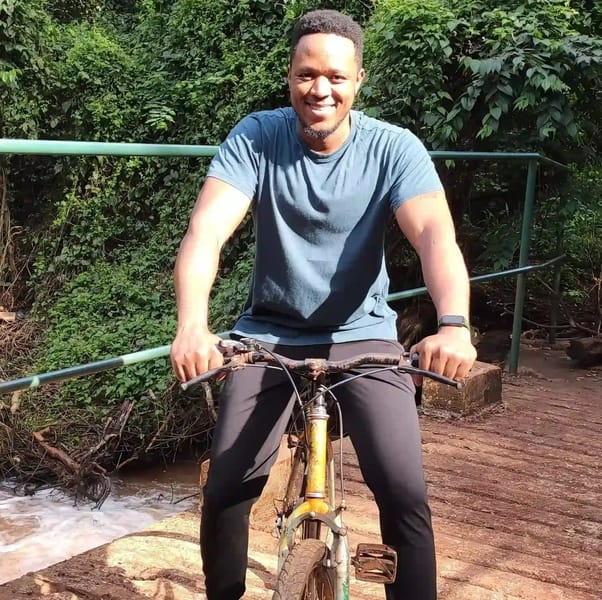
Desmond Karani

Desmond Karani

Senior Writer & Chief Editor

Fitness writer focused on making evidence-based training accessible to Kenyan athletes and gym-goers. Has spent years covering Kenya's fitness scene from grassroots to competitive level.

More from Desmond →
Share

Updated: 2026-05-14