Loading comments...
From Gym Rat to Runner: What You Actually Need to Start Running
What gym rats actually need to start running, and what they can safely skip.
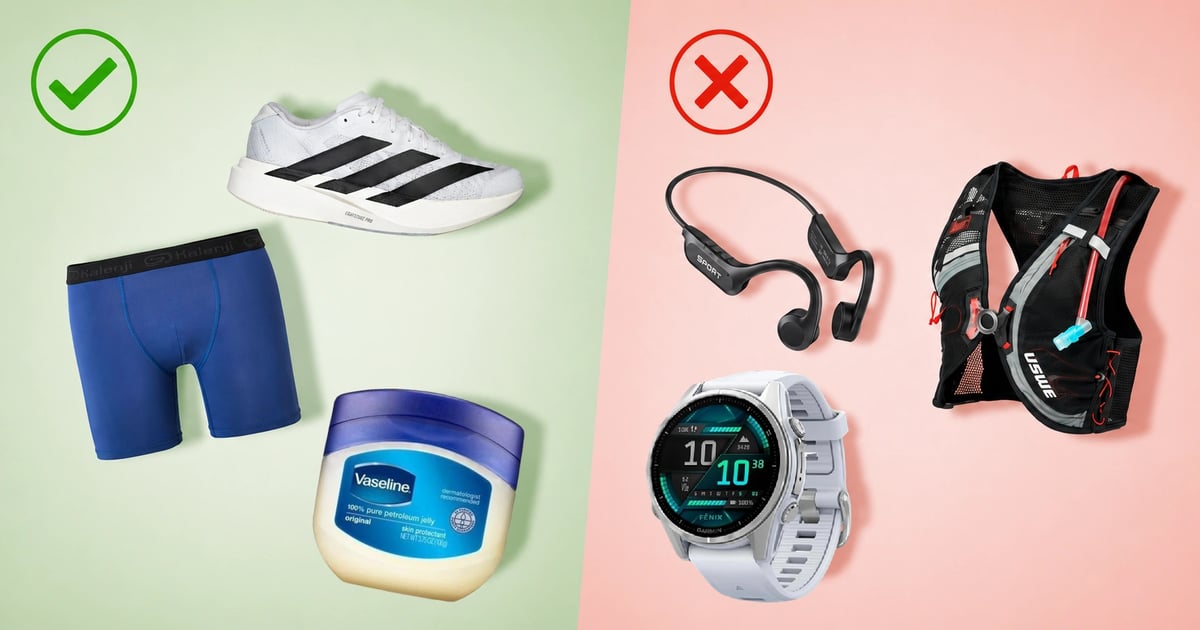
Image: Fit Savanna
What gym rats actually need to start running, and what they can safely skip.
Image: Fit Savanna
Running is one of those sports that looks deceptively easy. You put on some shoes, step outside, and start moving. At least, that's what I thought before I actually tried running.
For those of us who started our fitness journeys with strength training, it is easy to assume that 20 to 30 minutes of post-workout cardio and never skipping leg day should be enough. How hard could running really be?
When I started training four years ago, my goal was to get as jacked as humanly possible, legally. About a year ago, though, I realised that while I had made decent progress, I was not exactly a good runner. And considering Kenya's political climate, I did not want to be the guy who could not run when the moment came.
As one of my favourite YouTubers, Nick Bare puts it, I did not want to be a lifter who cannot run, or a runner who cannot lift. So I started running every other weekend, partly as another form of cardio and partly to build myself up for longer distances.
I still consider myself relatively new to running, but I have learned a lot about what actually matters for beginners and what is, quite frankly, unnecessary. Here is the advice I wish I had before I started.
You really do not need much to start running. One of the things I like about running is that there is a fairly low barrier to entry. You do not need a gym membership, expensive equipment, or a complicated training plan. But there are a few things worth getting right from the beginning.
The one thing I would not cheap out on is running shoes.
Running shoes are designed specifically for the repetitive impact and movement involved in running. That makes them very different from the casual sneakers you might already have lying around, like Air Force 1s, Converse or any other pair of rubber shoes you have.
Every time your foot hits the ground while running, it experiences a ground reaction force that can reach roughly 1.5 to 3 times your body weight. That is a lot of force to deal with repeatedly, sometimes thousands of times during a single run. A proper running shoe is designed to make that movement more comfortable and give your feet the support and cushioning appropriate for running.
If you are buying your first pair, focus on three things: fit, comfort and where you plan to run. If most of your runs will be on paved roads, look for a road-running shoe. If you plan to spend most of your time on dirt trails or uneven terrain, a trail-running shoe makes more sense.
You also do not have to spend a fortune. You don't need Adidas EVO SL or Hoka Bondi 8. If you are on a tight budget, you can find surprisingly good options from mitumba (secondhand) sellers or shops that stock more affordable Chinese brands. The important thing is to try the shoes on before buying them and make sure they feel comfortable when you walk and move around in them.
If you prefer buying from an established retailer, Nairobi Sports House Ltd. (Moi Avenue) and Decathlon are two options in Nairobi with relatively affordable running shoes.
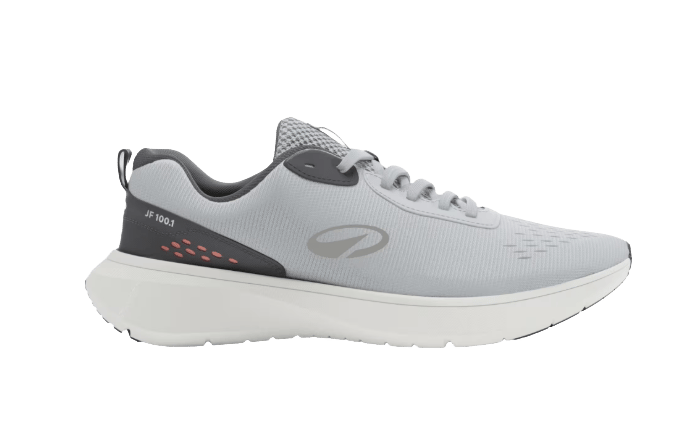
And perhaps most importantly, do not buy a running shoe simply because someone online says it is the "best." The best running shoe for you is the one that fits your foot comfortably and feels good when you run.
You do not need a fancy running wardrobe to get started. A comfortable T-shirt, shorts and a decent pair of socks are enough.
But there is one part of your running outfit that I would pay more attention to, especially if you are a relatively bigger runner: what you wear underneath your shorts.
Thigh chafing can turn an otherwise enjoyable run into a miserable experience. As your thighs rub against each other repeatedly, sweat and friction can irritate the skin and leave you sore for hours afterwards. In my experience, chafing can make you dread your next run.
This is where I learned to appreciate moisture-wicking underwear. Regular cotton underwear absorbs sweat and holds onto moisture, leaving you with wet fabric rubbing against your skin like sandpaper for kilometres. Moisture-wicking synthetic fabrics, on the other hand, are designed to move sweat away from the skin and dry more quickly.
For me, switching to breathable running boxers made a surprisingly big difference. I picked up a pair of moisture-wicking boxers for around KSh 600, and they solved a problem that made me dread running.
You certainly do not need any particular brand, though. The important thing is to look for breathable, moisture-wicking underwear that stays in place and does not ride up.
However, if you do not have access to moisture-wicking underwear, you can still prevent thigh chafing with something as simple as Vaseline or another petroleum jelly. Apply a generous layer to the areas where your thighs are likely to rub before your run, and reapply if necessary on longer runs. It is a simple, inexpensive solution that can save you from a lot of unnecessary discomfort.
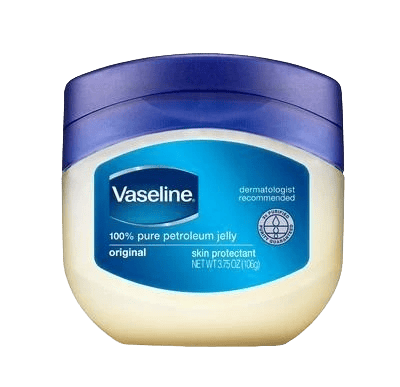
The same principle applies to your shorts and T-shirts. You do not need expensive technical clothing, but avoid anything that stays soaked with sweat or repeatedly rubs against your skin.
A comfortable outfit might seem like a small detail, but when you are running for 30, 60 or 90 minutes, small sources of irritation can become very noticeable.
For shorter runs, you generally do not need to carry half your kitchen with you. In my experience, for runs of around 12 kilometres or less, I rarely find a hydration vest necessary, especially when running in the morning.
If you hydrate reasonably well before heading out, you can usually get through a shorter run without carrying a bottle. However, drinking a large amount of water immediately before you run, on the other hand, can leave you making an unplanned bathroom stop halfway through your route.
Things change when you are running in hot weather, somewhere like Mombasa, or heading out for a longer session such as a half marathon. The hotter it is and the longer you are on your feet, the more hydration and electrolytes intake matter, since endurance activities like distance running can drain up to around 2.8 litres of fluid an hour through sweating.
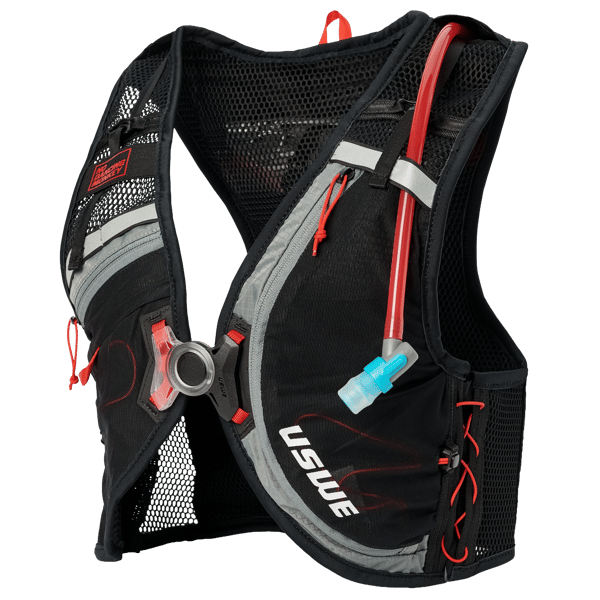
Even then, I would not automatically reach for a hydration vest. For most recreational runners, they become more useful when you are running for several hours, doing an ultramarathon, or heading out in particularly hot conditions where you cannot rely on getting water along the way.
And then there is the sun. If you are running during the day, especially in a hot climate, sunscreen, a cap and sunglasses can make the experience considerably more comfortable. They are not deal-breakers if you do not have them, though, especially on a cloudy day. Just be prepared to squint like you have a personal disagreement with the sun if you are running directly towards it.
This one is optional, but I would recommend it.
You do not need a Garmin or a fancy running watch when you are starting out. Your phone is more than capable of tracking basic things like distance, pace, and time using a running app.
In fact, even though I have a Huawei fitness band, I mostly rely on my phone to time my runs with Strava, especially since my band has no GPS and my phone does. It is pretty accurate with pace, elevation, and distance tracking.
These tracking features do not require a gadget on your wrist to work, since they rely on GPS signals, mapping, and how fast the gadget is moving from one point to another as you run.
A GPS running watch becomes more useful once you get serious about running, especially if you start following training plans or want more detailed physiological metrics, like heart rate and heart-rate zones, which usually need a sensor against your skin to measure, plus training load, or if you just want to leave your phone at home.
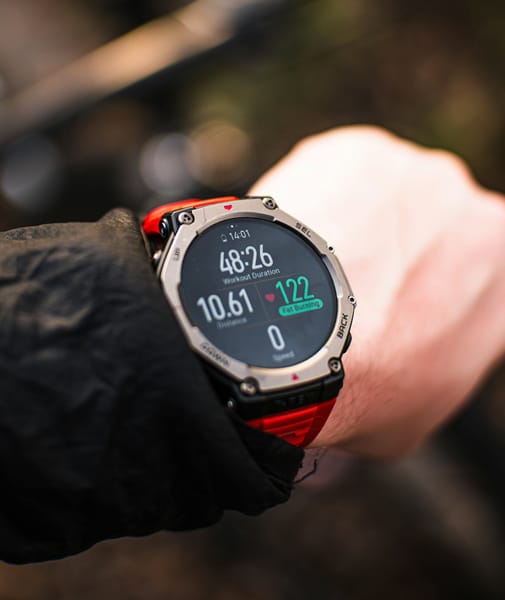
But there is no reason to buy one before you have even figured out whether you enjoy running.
Tracking your runs is useful because it gives you something concrete to look back on. Your first 3 km might feel difficult, but seeing your pace improve or your distance increase over the next few months can be incredibly motivating.
This might actually be the most important part because, as beginners, we have no experience to draw from. A lot of what we know about running comes from our favourite influencers, YouTube videos, and social media arguments.
And when everyone you follow seems to have a Garmin, a pair of Adidas EVO SLs and a drawer full of energy gels, it is easy to assume that you need all of that too. No, you don't.
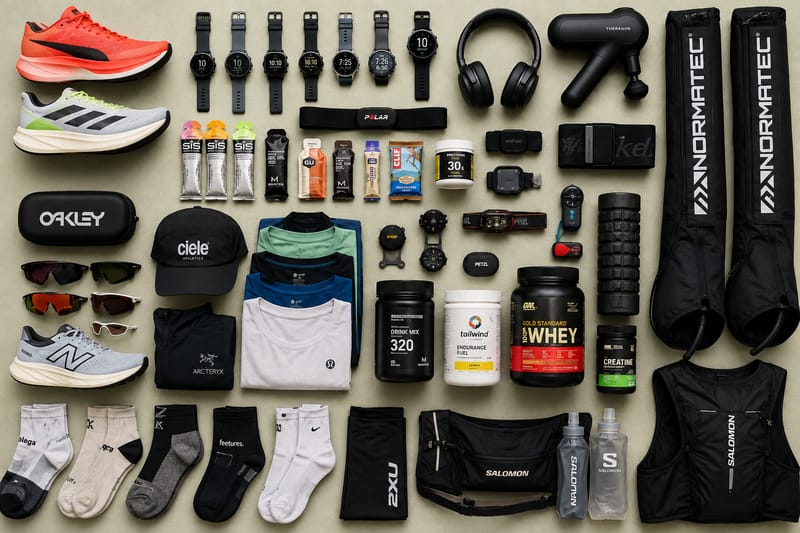
You do not need a KSh 100,000 Garmin Fenix 8, KSh 20,000 Brooks Glycerin, compression boots, energy gels, a Polar H10 heart-rate chest strap, paid Strava or WHOOP subscriptions, or a wardrobe full of technical running gear to run your first few kilometres.
You just need a decent pair of running shoes, comfortable clothes and somewhere to run.
Everything else can come later if you find yourself enjoying the sport and wanting to take it more seriously. The easiest mistake a beginner can make is spending thousands of shillings preparing to become a runner before actually becoming one.
In my experience, running is one of the easiest sports to start, but it can also become surprisingly miserable if you get the basics wrong. You do not need to overthink it. Get the basics right, start slowly, and let the rest come as you learn what you actually need.
Once you've got the basics down, take a look at our directory of races around Kenya at fitsavanna.co.ke/marathons. Best race listing in Kenya, if you ask me 😏
Edited and proofread by Grace Njoroge, Copy Editor, Fit Savanna.
This article reflects the author's personal experience as a male runner, and some advice, especially around clothing and chafing, may be more relevant to men.
Prices mentioned in this article were accurate at the time of publishing and may have changed. Always confirm current pricing with the retailer before purchasing.
Continue reading with these related fitness and health articles


Join the conversation!
Share your thoughts on “From Gym Rat to Runner: What You Actually Need to Start Running” below.