Nutrition for Kenya
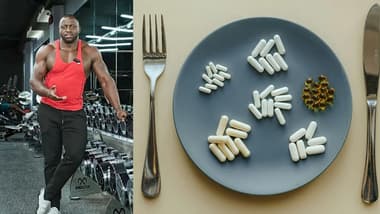
Practical nutrition guidance and food data built around what you can actually buy in Kenya. No imported supplements required.
Macronutrient targets
Protein
25 to 30% of calories
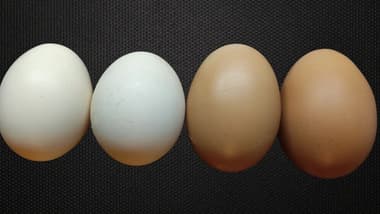
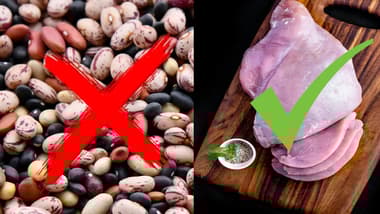
Aim for 1.6 to 2.2g per kilogram of bodyweight if building muscle. For a 70kg person that is around 112 to 154g daily. Good local sources: tilapia, chicken, beans, lentils, groundnuts, eggs.
Carbohydrates
45 to 55% of calories
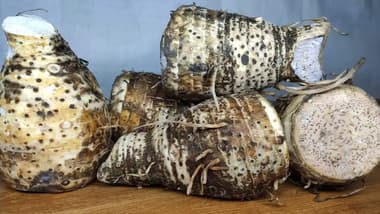
Your body's primary fuel source, especially for high-intensity training. Prefer slower-digesting options: sweet potatoes, arrow roots, millet, and brown rice over white ugali where possible.
Fats
20 to 25% of calories
Essential for hormone production, joint health, and absorbing fat-soluble vitamins. Avocados, groundnuts, sesame seeds, and pumpkin seeds are all readily available and cost-effective.
What actually matters
Protein targets are higher than most people think
The general population recommendation of 0.8g per kg is for sedentary adults. Anyone training regularly needs roughly double that. Most Kenyans eating traditional diets are under-eating protein.
Hydration affects performance before thirst does
A 2% drop in body water reduces strength output measurably. In Nairobi's climate, that threshold is easier to hit than in cooler environments. Drink before training, not just during.
Post-workout timing matters less than total daily intake
The anabolic window is real but wider than often claimed. Hitting your daily protein target consistently matters more than the exact timing of your post-workout meal.
Local foods are nutritionally competitive
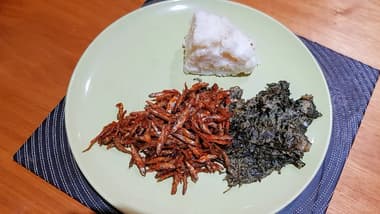
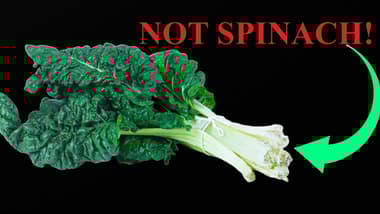
Sukuma wiki is exceptionally nutrient-dense per calorie. Tilapia is a lean, high-protein option. Arrow roots have a lower glycaemic index than white rice. You do not need imported supplements to eat well.
Kenyan foods by category
High protein
Complex carbs
Healthy fats
Vitamins and minerals
Free tools
Articles & resources
19 articles





Nutritional Facts
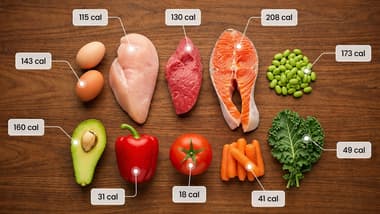
Calorie counts and macros for common Kenyan foods. All values are per 100g unless stated. Figures vary by preparation method and variety; use these as planning guides, not precise measurements.
Staple foods
| Food | kcal | Protein | Carbs | Fat |
|---|---|---|---|---|
| Ugali (100g) | 350 | 8g | 78g | 1g |
| White rice (100g) | 130 | 2.7g | 28g | 0.3g |
| Sweet potato (100g) | 86 | 1.6g | 20g | 0.1g |
Protein sources
| Food | kcal | Protein | Carbs | Fat |
|---|---|---|---|---|
| Tilapia (100g) | 128 | 26g | 0g | 2.6g |
| Chicken breast (100g) | 165 | 31g | 0g | 3.6g |
| Beans, cooked (100g) | 127 | 9g | 23g | 0.5g |
Vegetables
| Food | kcal | Protein | Carbs | Fat |
|---|---|---|---|---|
| Sukuma wiki (100g) | 28 | 4.3g | 5.4g | 0.4g |
| Spinach (100g) | 23 | 2.9g | 3.6g | 0.4g |
| Tomatoes (100g) | 18 | 0.9g | 3.9g | 0.2g |
Healthy fats
| Food | kcal | Protein | Carbs | Fat |
|---|---|---|---|---|
| Avocado (100g) | 160 | 2g | 9g | 15g |
| Groundnuts (100g) | 567 | 26g | 16g | 49g |
| Coconut oil (1 tbsp) | 121 | 0g | 0g | 14g |