Becoming Her: My 3-Year Fitness Transformation and Injury Recovery
Three years ago, I stepped into fitness with one goal: to become the strongest and most confident version of myself. Through discipline, consistency, and learning from a back injury, this is my transformation story.
When I began my fitness journey three years ago, my goal was to become the strongest and most confident version of myself. I didn't start because everything in my life was perfect. If anything, it was the opposite.
Fitness became my escape, my therapy, and eventually my purpose. What began as a simple desire to "get in shape" transformed into a complete lifestyle change that reshaped my body, my mindset, and my future.
But, as you will see, this transformation didn't happen overnight. It was built through discipline, consistency, and learning how to take care of my body the right way, especially after going through a back injury, the recovery process, and physiotherapy.
Year One: Learning My Body
My first year was all about learning the basics and figuring out what worked best for me, just like most beginners.
With a lot of research and guidance, I learned how to train properly, how to show up even when motivation failed, and how to push through mental barriers.
I wasn't perfect. There were days I felt tired, days I wanted to quit, and days I doubted myself. But I kept showing up.
And that alone was progress.
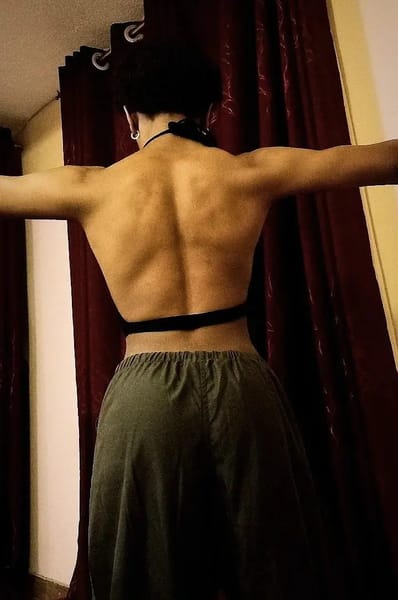
Me in 2023, at the end of my first year. My back was getting defined, but my arms were still underdeveloped | Photo: Stacy Thiong'o
Year Two: Real Change & Finding My Rhythm
Year two is when my transformation truly became visible, not just to others, but to me.
My body started changing in ways I had always wanted: more muscle, more tone, more shape. But beyond that, something within me changed.
Training no longer felt like something I had to do; it became something I loved to do.
I remember waking up feeling excited to lift. I enjoyed pushing myself, increasing my weights, and challenging my mind.
I also remember that this was the year I began organising my life around the gym. Not in the sense of making my whole life about it, but ensuring that everything aligned so I could create time to work out.
Essentially, this was the year I found my rhythm. I trained five times a week, not because I was forcing it, but because I finally understood my purpose in the gym.
I was training for the woman I was becoming.
Me in 2024. You can see defined traps, delts, and triceps | Photo: Stacy Thiong'o
This was also the year I became more cautious about what I ate. My approach to nutrition became far more intentional.
I balanced my carbs, fats, and protein to support muscle growth and recovery. I stopped eating emotionally and focused on meals that helped me perform better and recover faster.
I admit that it wasn't as enjoyable as eating whatever I wanted, but it was empowering to know that what I ate directly influenced my progress and how I felt each day.
This year taught me that body transformation isn't solely about training hard. If you aren't conscious of your diet, you're unlikely to make progress, especially once your first-year newbie gains have plateaued.
At this point, your body has adapted to training and now requires more than just winging it to continue growing.
You transform by training smart and fueling your body properly.
Year Three: Injury, Recovery & Growing Up Mentally
To be frank, year two was a relatively smooth ride for me. But when year three came around, I learned that, just like anything in life, growth in fitness isn't straightforward.
There will always be challenges. It's a journey of curves, pauses, and dips... but if you don't give up, it rises again.
My training started strong and consistent. I was lifting heavier, feeling stronger, and moving more confidently than ever.
At this stage, I felt that I was already advanced and quite resistant to injuries, especially since I was training in what I believed was the right way.
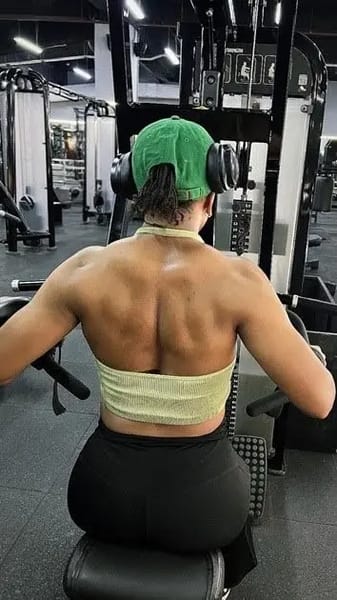
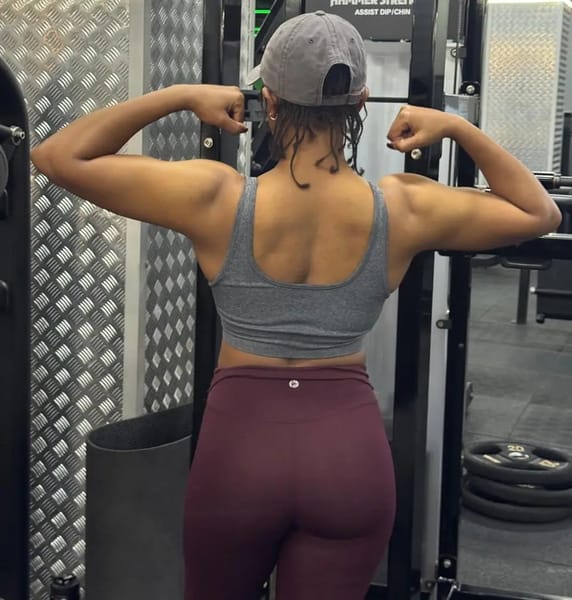
Me in mid-2025. You can see my well-developed back and delts peaking even from the back | Photo: Stacy Thiong'o
But this could not be further from the truth.
The Day Everything Changed
About a month ago, however, on my usual back-training day, I felt some slight discomfort. I could have disregarded it as just fatigue, but this time it felt different. Since I was almost done with my exercises, I decided to stop and go home, hoping the discomfort would fade.
However, when I got home, the discomfort progressed while I was doing my chores. It became a sharp pain in my lower back and quickly became unbearable. That's when I knew I had to seek help immediately.
I initially sought medical advice, especially for the pain, and I was later referred to a physiotherapist. The physiotherapist evaluated me and explained that the pain was due to a lifting-related injury.
Physio Sessions
Through physiotherapy, I learned about posture, muscle imbalances, and proper movement patterns. I also realized that recovery isn't a weakness but a part of training.
So far, the physio sessions I've attended have helped me understand that strengthening the right muscles, improving mobility, and correcting my form would allow me to rebuild safely and confidently.
I have learned that fitness isn't just about training the muscles you can see. The body is highly dynamic, and its proper functioning depends on every part working well and keeping up with everything around it.
If a specific tendon in your back is weak, it creates an imbalance that forces other muscles to compensate, increasing the risk of discomfort or injury.
You've probably heard about functional training and flexibility exercises and maybe even brushed them off as fads. But from my experience, especially if your job keeps you sitting most of the day, you really need them to stay mobile and avoid injuries.
Surprisingly, I didn't lose much progress. My body still looked strong, and my previous discipline still carries me through.
The Role of Nutrition in Recovery
Nutrition has also been extremely important during this period. I have learned that protein isn't just about building more muscle but also repairing everything in your body, a process called whole-body protein synthesis.
Beyond protein, your body also needs all other macro and micronutrients to achieve this goal. For example, elements like magnesium play an essential role in both muscle protein synthesis and whole-body protein synthesis.
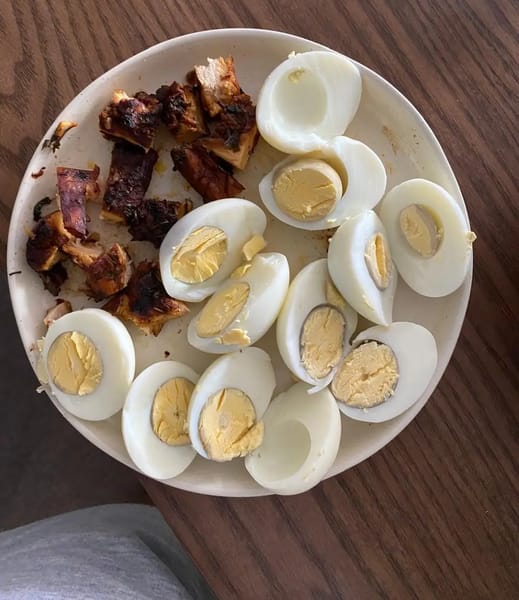
One of my high-protein meals | Photo: Stacy Thiong'o
Therefore, I've been focusing more on whole foods and fruits to make sure my body has the right nutrients to heal, stay strong, and keep up with my training.
Even without intense workouts, taking care of my body remained my priority.
Lessons in Patience & Where I Am Now
Year three has forced me to understand myself on a deeper level. It has taught me patience, self-compassion, and that true discipline is not just pushing through pain but knowing when to pause, heal, and listen to your body.
"Year three taught me that true discipline is not just pushing through pain but knowing when to pause, heal, and listen to your body."
Stacy Thiong'o
While I have achieved quite a lot in just three years, the transformation hasn't been only physical.
It has also been mental and emotional. I'm stronger, more patient, more in tune with my body, and more confident in the woman I'm becoming.
My journey isn't finished, but I am proud of how far I've come.
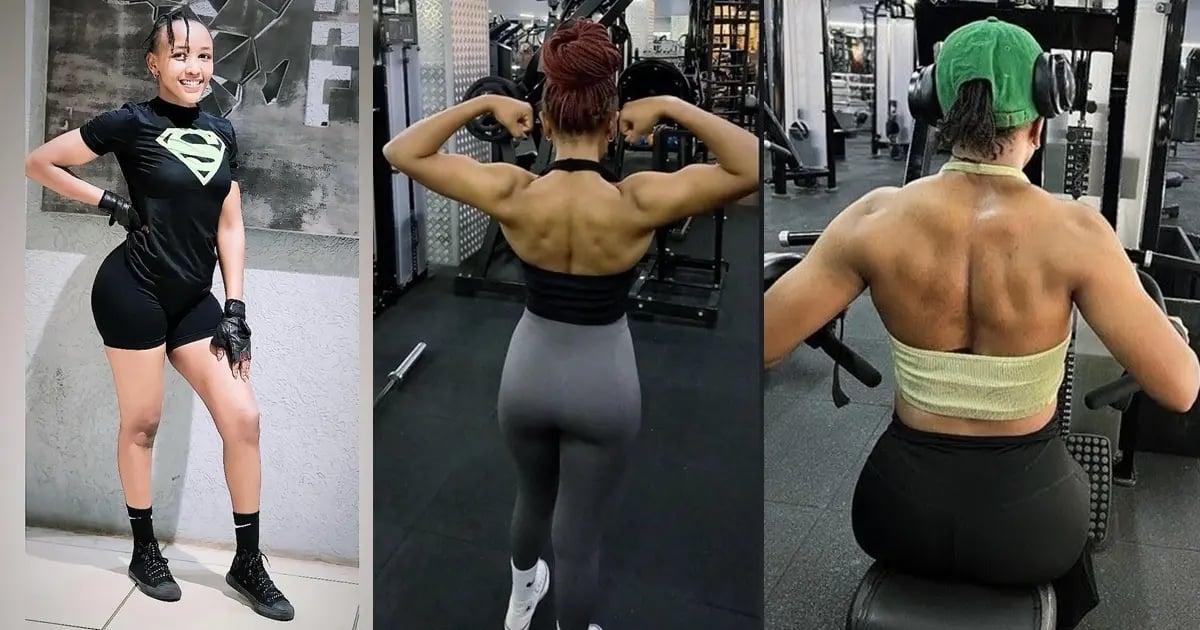
How I look today | Photo: Stacy Thiong'o
I share my experience because many people beat themselves up when they aren't seeing results fast enough or when something goes wrong.
Fitness is not a perfect journey; it's a personal one. There will be highs, setbacks, moments of being unstoppable, and moments when you need to pause and breathe.
All of that is part of the process.
If my journey can inspire even one person to start or to keep going, then it's worth sharing.
Editor's Note:Stacy Thiong'o is a fitness enthusiast, part-time writer, and nutrition coach based in Nairobi, Kenya. She runs a coaching brand focused on helping women achieve their fitness goals through sustainable training and evidence-based nutrition.
Click on her profile to follow on social media, request customised plans, and access meal and training programs. Alternatively, download the meal plan and 7-day training program here.
Medical Disclaimer:The information provided in this article is for informational purposes only. It does not constitute medical advice, diagnosis, or treatment. Always seek the advice of your physician or physiotherapist regarding any questions about exercise or injury recovery.